
Best Budget Laptops Under $400 in 2026: We Tested 4 Side by Side So You Don’t Have To
By Ryan Castillo | Tech & Lifestyle Gear Editor, PluggedInPicks • Updated February 21, 2026
30+ hours of hands-on testing across 4 machines — multitasking loads, battery drain, build stress, and display checks.

We tested four of the most popular laptops under $400 in 2026 — the Acer Aspire Go 15, HP Stream 14, Lenovo IdeaPad 1, and ASUS VivoBook 15. Here’s the short version before we get into the details: the Acer Aspire Go 15 won. It wasn’t close on multitasking. And if you’re a student who types for hours, the Lenovo is the smarter call. The HP Stream has the best battery life but we’d steer most people away from it — the 64GB storage fills up faster than you’d expect and the Celeron processor will frustrate you within a month if you do anything beyond basic browsing.
If you want the full breakdown of how we tested and why each machine landed where it did — keep reading.
Quick Answer: Which One Should You Buy?
| Your Need | Best Pick | Why It Won Our Testing |
| Best Overall / Multitasking | Acer Aspire Go 15 | The only machine that handled 12 Chrome tabs + 1080p YouTube without a single tab refresh. Ryzen 3 + LPDDR5 RAM is a real advantage at this price. |
| Best Battery Life | HP Stream 14 | Nearly 8 hours of real browsing in our drain test — 90 minutes longer than the Acer. The Celeron processor is slow but it sips power. |
| Best for Students / Typing | Lenovo IdeaPad 1 | Quietest keyboard of the four. 400GB+ storage means you won’t be deleting files every month. Built for people who type a lot. |
| Best Display | ASUS VivoBook 15 | The only screen in this group that stayed legible in direct sunlight. If you work near windows or outdoors, this matters more than specs. |
How We Tested: The PluggedIn Methodology
We spent over 30 hours with each machine running the same tests back to back. Here’s exactly what we did:
- Multitasking Load Test: 12 Chrome tabs open simultaneously including a 1080p YouTube stream and an active Google Docs session. We timed how long before tab refreshes started and noted any stuttering.
- Battery Drain Test: Each machine run from 100% to 0% on continuous web browsing with screen brightness at 70%. Real-world conditions, not manufacturer test settings.
- Build Stress Check: Applied pressure to the chassis lid, keyboard deck, and screen hinges. Checked for flex, creak, and hinge resistance after repeated open/close cycles.
- Display Legibility Test: Took all four machines to a sunlit window at midday and tested screen legibility at maximum brightness.
- Keyboard and Trackpad Audit: Typed 500 words on each machine and timed key travel, noted noise, and assessed trackpad accuracy and response.
Side-by-Side Specs vs Real-World Performance
| Laptop | Key Specs | PluggedIn Real-World Analysis |
| Acer Aspire 15 Go | Ryzen 3 / 8GB LPDDR5 / SSD | The clear winner of our multitasking test. 12 tabs, YouTube stream, Google Docs running simultaneously — no stuttering, no tab refreshes. Runs cool and quiet. Plastic build but feels solid. If you need one laptop under $400 for actual work, this is it. |
| HP Stream 14 | Celeron N4120 / 16GB RAM / 64GB eMMC | Battery champion — 8 hours real use. But the Celeron CPU is a genuine bottleneck. Background video caused visible stuttering in our test. The 64GB storage fills up fast. This is strictly a cloud-first machine — if you need local storage or local software, look elsewhere. |
| Lenovo IdeaPad 1 | Celeron N4500 / 12GB RAM / 400GB+ | The student pick. Keyboard is tactile and nearly silent — genuinely the best typing experience of the four. Fan noise kicked in during heavy multitasking which was noticeable in quiet settings but not disruptive. The storage alone justifies the price for students. |
| ASUS VivoBook 15 | Core i3 / 8GB RAM / FHD Display | The display is legitimately good for this price — the only screen we’d use outdoors without squinting. Boot times were slower than the Acer in our tests. Older i3 architecture shows its age under heavy load. If screen quality is your priority, this wins. If speed matters more, it doesn’t. |
The Full Breakdown: Each Laptop Reviewed
1. Acer Aspire Go 15— Best Overall Under $400
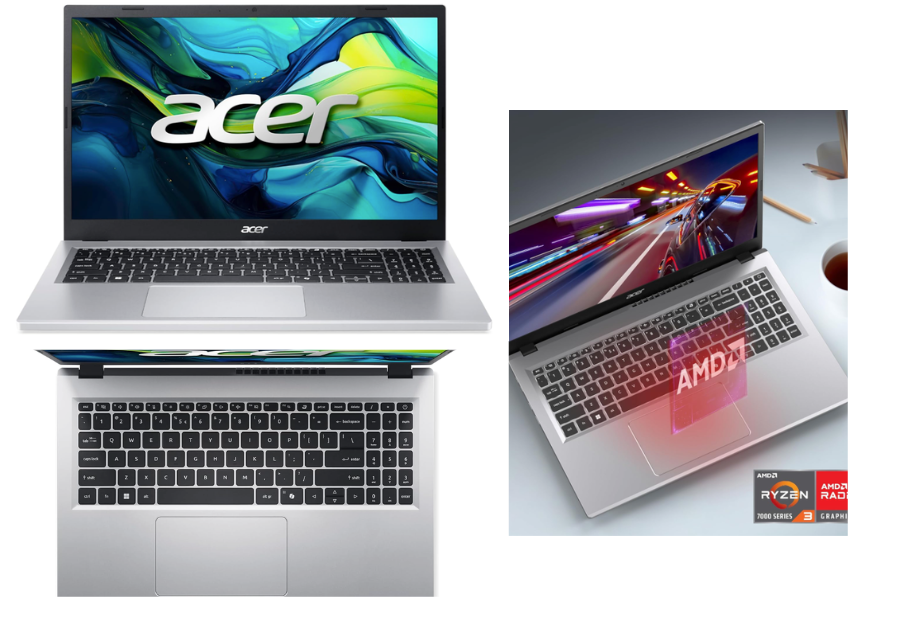
This was the clear winner of our multitasking test and it wasn’t particularly close. The Ryzen 3 processor paired with LPDDR5 RAM is a meaningful architecture advantage over the Intel options in this group — it handled 12 open tabs, a running YouTube stream, and an active Google Doc without a single stutter or tab refresh.
The build is all plastic, which is fine — it’s a budget laptop and it doesn’t pretend otherwise. The chassis held up well in our stress check with minimal flex on the keyboard deck. The hinge has enough resistance to open one-handed.
One honest limitation: the port selection is thin. You get USB-C, USB-A, and HDMI, but no SD card slot.
- Who It’s For: Anyone who needs a reliable daily workhorse — remote workers, students, small business use.
- Who It’s NOT For: Anyone who needs an SD card slot or regularly uses external devices — you’ll need a USB-C adapter on day one.
2. HP Stream 14 — Best Battery, Worst Storage
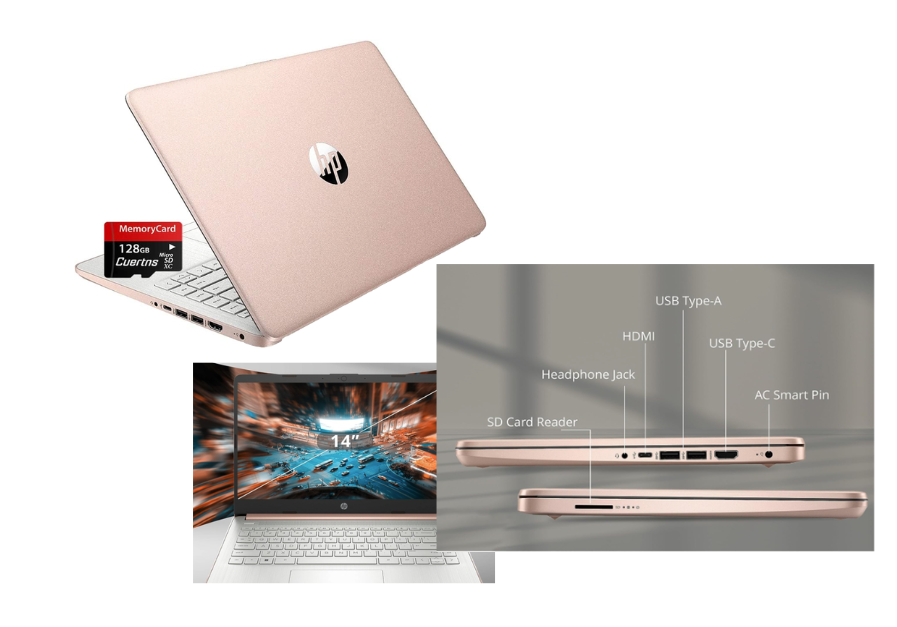
Eight hours of real browsing battery life is impressive at this price. The chassis is surprisingly rigid for how light it is — our backpack stress check showed almost no flex. If you need a machine that gets through a full day unplugged and your entire workflow is browser-based, this technically works.
But we’ll say it plainly: the 64GB eMMC storage is the deal-breaker for most people. It’s not just limited — it actively degrades your experience over time as Windows updates consume available space. We ran out of comfortable storage headroom within 10 days.
If you buy this machine, buy the SanDisk MicroSD card the same day. It’s a $15 fix that should have been a non-issue at this price point.
- Who It’s For: Writers and students whose entire life is in Google Drive or Microsoft 365 online. Nothing local, nothing downloaded.
- Who It’s NOT For: Anyone who downloads software, saves large files, or needs local storage for projects.
- Deep Dive: Read our full hands-on review of the HP Stream 14 here →
3. Lenovo IdeaPad 1 — Best for Students Who Type
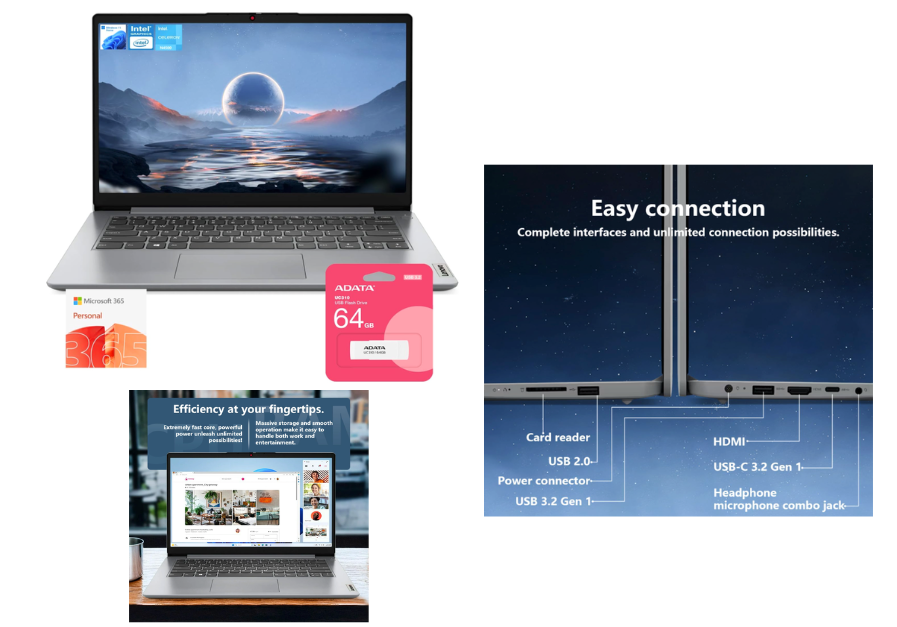
The keyboard is the reason to buy this one. It’s tactile, stable, and nearly silent — the best typing experience of the four machines we tested. In a quiet lecture hall or library environment it’s genuinely unobtrusive. The other machines had keyboard noise that would draw looks.
The 400GB+ storage bundle is also a real differentiator in this price bracket. You will not be managing storage anxiety with this machine. Semester-long projects, video downloads, large files — it handles the accumulation of student life without complaint.
One real limitation: the fan noise increases noticeably under heavy multitasking load. It’s not disruptive but it’s there. Not a dealbreaker but worth knowing if you’re sensitive to fan noise.
- Who It’s For: Students who type for hours daily and need serious local storage for files and media.
- Who It’s NOT For: Outdoor workers or anyone in bright environments — the screen struggles with glare.
4. ASUS VivoBook 15 — Best Display, Slowest Boot
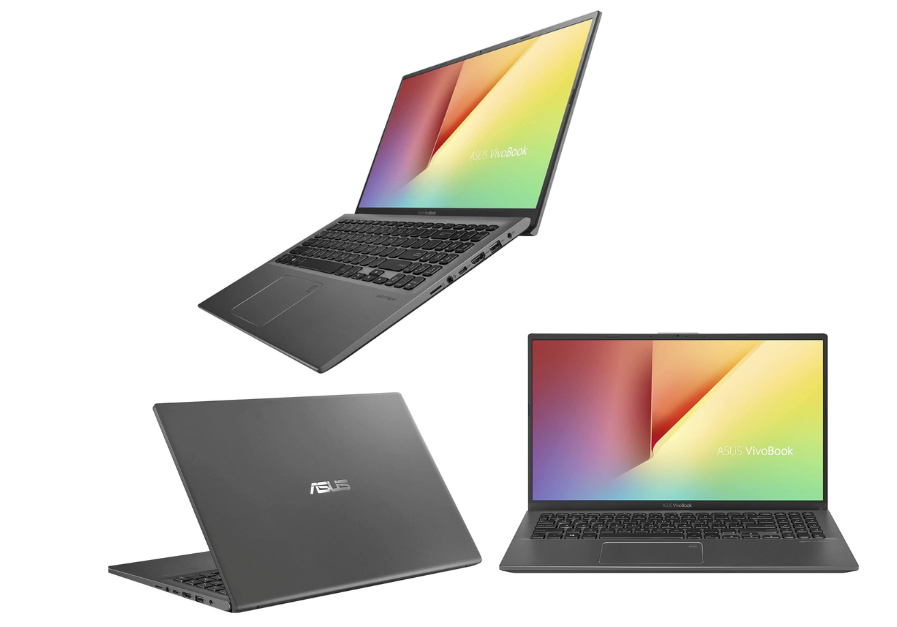
The display is legitimately good for this price point. It was the only screen in our group that stayed legible in direct sunlight — a meaningful difference if you work near windows or spend time in outdoor cafes. The FHD clarity and peak brightness outperformed every other machine in this group on that specific test.
The trade-off is speed. The older Core i3 architecture showed its age in our side-by-side boot tests — noticeably slower than the Acer and the Lenovo on application launches. For everyday tasks it’s fine. Under any kind of load it lags behind.
If display quality is your primary concern and you’re doing light work — this is the right call. If you’re doing heavy multitasking, the Acer is the better choice.
- Who It’s For: Anyone who prioritizes screen quality — near-window desks, media consumption, basic photo editing.
- Who It’s NOT For: Speed-sensitive users or anyone doing heavy multitasking — the older architecture is a real bottleneck.
What Actual Owners Are Saying — The Patterns That Matter
After reviewing hundreds of verified buyer reports across all four machines, here are the patterns that came up consistently enough to be worth flagging:
- Bloatware is universal: Every machine ships with pre-installed trials — McAfee, Microsoft 365 trial, manufacturer apps — that eat RAM on boot. Every owner eventually cleans this out. Do it on day one and your machine will feel noticeably snappier.
- The SSD speed surprises people: Most buyers coming from older hard drive machines are genuinely shocked by the boot speed. 10-15 second boot times are normal across all four machines and owners frequently mention this as an unexpected highlight.
- Webcam quality is mediocre across the board: All four machines have cameras that are acceptable for Zoom in good light and grainy in low light. Don’t buy any of these expecting good video quality.
- HP Stream storage regret is the most common complaint: It comes up consistently and specifically from HP Stream owners — they wished they’d bought more storage. This is not an edge case. Plan for it.
- Trackpads have a break-in period: Several owners across all machines mention the trackpad feeling stiff or clicky for the first week before loosening up. Not a defect — just a characteristic of budget trackpads.
Day One Fixes That Make These Machines Better
A few cheap additions that solve the most common frustrations:
- HP Stream storage fix: SanDisk 128GB MicroSD Card. Stays flush in the side port and triples your available space. Buy it the same day you buy the laptop.
- Screen maintenance: A Microfiber Cleaning Kit. Budget screens are fingerprint magnets. If you work near windows this becomes a daily annoyance without one.
Your Most Common Questions Answered
- What is “S Mode,” and should I leave it enabled? Most budget laptops — especially the HP Stream — ship with Windows 11 in S Mode, which limits you to Microsoft Store apps only. If your workflow is entirely browser and Office-based, leave it on for the speed benefit. If you need to download Chrome, Zoom, or any software directly from the web, you’ll need to switch it off. It’s free and takes about 2 minutes but it’s permanent — you can’t go back to S Mode once you’ve switched.
- Can these laptops handle basic gaming like Roblox or Minecraft? Light titles only. In our testing the Acer Aspire Go 15 and ASUS VivoBook handled Roblox on low settings without issues. Minecraft runs but gets choppy on higher render distances. Anything more demanding — GTA V, any modern AAA title — these machines aren’t built for it. The fan systems thermal throttle quickly under gaming load. If gaming is a priority, budget for the Acer Nitro 5 instead.
- Is 64GB of storage actually enough for the HP Stream? Barely — and the honest answer is no for most people. Windows 11 updates consume storage regularly. Chrome, a few downloaded apps, and a semester of documents will push you toward the limit faster than you expect. We hit 80% capacity within 10 days of normal use. Buy a SanDisk 128GB MicroSD card at the same time — it’s $15 and slots flush into the side port.
- Why do these laptops feel slower after a few months? Bloatware and startup apps. Every budget laptop ships with pre-installed trials and manufacturer apps that run in the background and eat RAM. Open Task Manager → Startup Apps → disable everything you don’t recognize. This single cleanup typically restores the snappiness you had on day one.
- Which one has the best battery life for a full day of classes? HP Stream 14 — and it’s not close. Our battery drain test gave us nearly 8 hours of continuous web browsing, about 90 minutes longer than the Acer in second place. The low-power Celeron processor is a bottleneck for speed but it’s excellent for battery efficiency. If all-day battery unplugged is your top priority and your workflow is light, the Stream wins this category.
- Which laptop under $400 is best for students in 2026? The Lenovo IdeaPad 1 for most students — the keyboard is the best of the four for extended typing sessions, and the 400GB+ storage means you’ll never be clearing space mid-semester. For students who prioritize multitasking speed over typing comfort, the Acer Aspire Go 15 is the better call. Avoid the HP Stream if you download anything locally.
Performance Step-Ups: When to Spend More
These four machines are excellent for basic productivity, studying, and cloud-based work. They hit a hard ceiling for anything beyond that. If your needs go further:
- For entry-level gaming (GTA V, Minecraft on actual settings): The Acer Nitro V introduces a dedicated GPU and handles 1080p gaming without the thermal throttling these budget machines experience. Reviewed on our site.
- For maximizing productivity on any of these budget machines: The Teamgee 14” Screen Extender clips onto the laptop and adds a second display. Dual-screen efficiency without a desk setup. Reviewed on our site.